
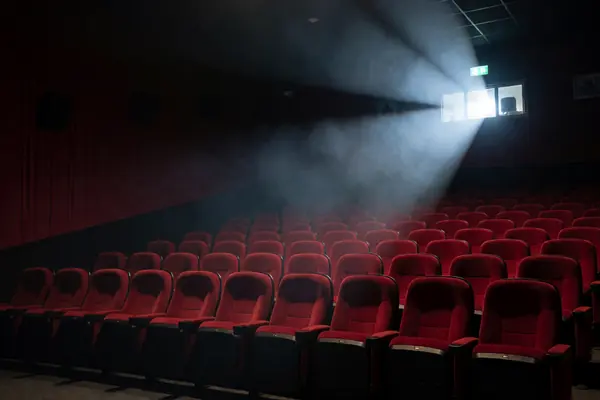
CINEMA
24 since the talkies
With sound-on-film in the 1920s, film speeds standardised at 24 frames a second. Projectors flash each frame two or three times to hide flicker.
Check a frame ratePICTURE QUALITY IN PLAIN ENGLISH
Every moving picture is a fast run of still ones.
How many stills a second you show was settled long ago: by sound film in the 1920s and by the mains electricity behind 1930s television. BBC engineers have since shown what those choices cost when the action moves fast.
24 · 25 · 50 frames a second
THE SHORT ANSWER
Cinema and television picked their rates
for practical reasons, not for perfect motion.
CINEMA
With sound-on-film in the 1920s, film speeds standardised at 24 frames a second. Projectors flash each frame two or three times to hide flicker.
Check a frame rateBEFORE SOUND
Silent-era cameramen cranked film by hand, often around 16 to 24 frames a second, and projectionists varied the speed too.
Silent speedsFAST ACTION
BBC tests found blur and judder on fast pans and sport. Even 100 frames a second was not enough for table tennis seen side-on.
See the numbersA QUICK FRAME-RATE CHECK
Pick a kind of picture to see the frame rate behind it. The bar shows how high that rate is.
Figures from BBC Research & Development White Papers 169 and 209 and the Film Art companion notes on silent film speed.
TWO NUMBERS WORTH KNOWING
One figure that fixed UK television's rate,
one from BBC tests of much faster video.
50 Hz
Declared frequency of the UK supply
UK regulations set the declared supply frequency at 50 hertz, within 1 per cent. BBC R&D says European TV used a field rate equal to the mains frequency, and the USA's 60 Hz mains led to 60 Hz TV.
UK MAINS · LEGISLATION.GOV.UK
300 fps
Capture rate used in BBC experiments
BBC R&D shot test sequences at 300 frames a second and down-converted them. Even at 100 fps, a table-tennis rally viewed side-on was manifestly insufficient.
BBC TESTS · BBC R&D
Research by Japan's NHK, reported by BBC R&D in 2011, suggested future TV would need a display rate above about 80 Hz to avoid large-area flicker and above 100 Hz to prevent judder.
FOUR THINGS TO WATCH FOR
Once you know what to look for, the limits of a frame rate show up on any screen.
Fine background detail and lettering blur or judder when the camera sweeps sideways.
In cinema, an object your eye follows can look doubled or jumpy: film judder from repeated frames.
Fast sport shows the limits of 50 Hz far more than a slow conversation scene.
Silent films run at 24 fps can look too fast; a 60-minute film at 24 fps lasts 90 minutes at 16.

SILENT FILM SPEEDS
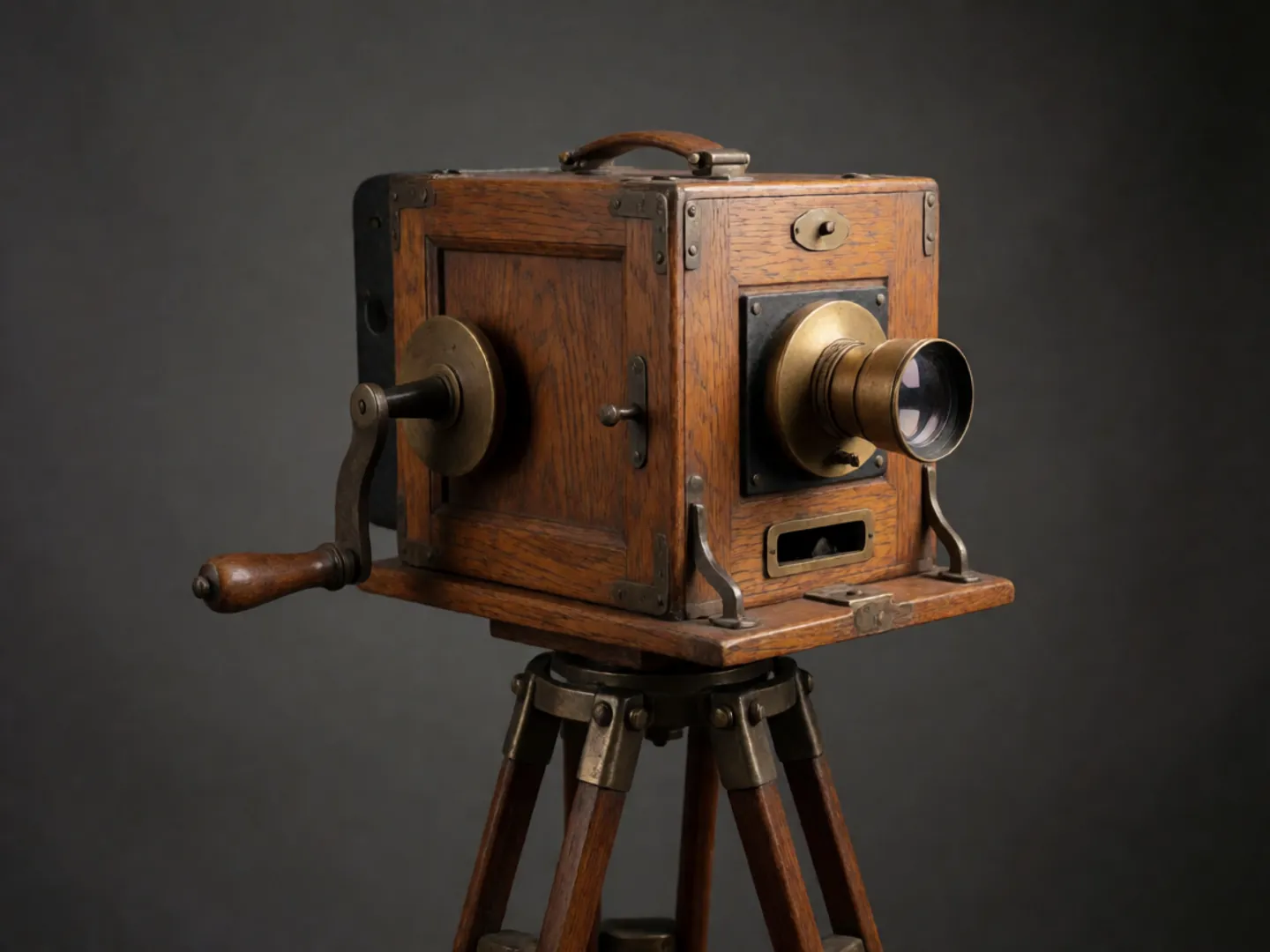
In the silent era, frame rates were not standardised and projectionists were advised to vary the speed to suit the scene. Camera operators were not consistent either, and fast action was sometimes under-cranked to make it fly by.
Historians have found evidence that many silent films were projected faster than they were shot, with some projection speeds reported as high as 40 fps. It is one reason video transfers of silent films can look rushed.
Questions
With the development of sound-on-film in the 1920s, film speeds and frame rates standardised at 24 fps, and it remains the standard for cinema today.
Television field rates were set equal to the mains frequency, 50 Hz in Europe, partly to avoid beating with the flicker of AC-driven studio lights. That also made converting film easy, since 24 and 25 fps look almost the same.
To avoid flicker, cinema projectors show each frame two or three times. An object your eye is tracking can then look like overlapping images or jump back and forth along its path.
In 60 Hz countries, alternate film frames have to be shown as three video fields instead of two, which BBC R&D notes introduces further judder.
BBC experiments found striking improvements in motion even at standard-definition resolution, with sharper pans and more sense of depth. They also found that fast sport needs more than 100 fps.
Sources
ABOUT THIS NAME
hidefrev.com is part of the DoodleSale portfolio. It isn't in an auction right now, but you can ask about leasing it.